
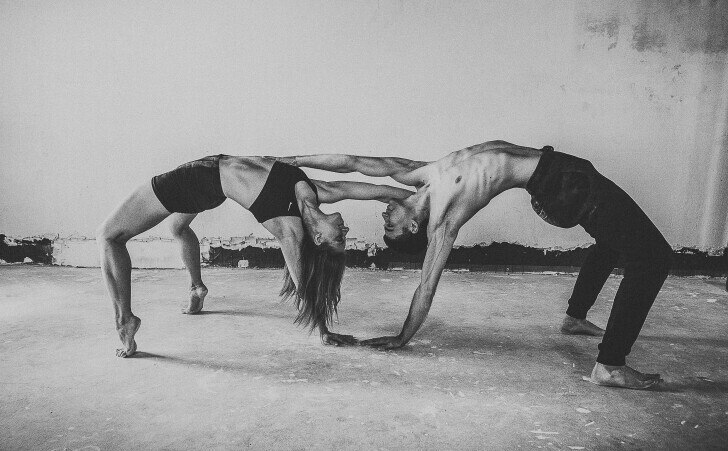
Acro dance, more than just a type of moving art, combines classical dance movements with precise acrobatic elements. It pushes the limits of flexibility and strength. One standout move in this mix is the bridge, a vital skill if you’re aiming for the wow factor.
The bridge is one of those skills that dancers who do acro should master, as it strengthens the body, works in the flexibility of the spine as well as it helps the dancer to protect his or her body against injury.
The Best Acro Dance Bridge Tutorial
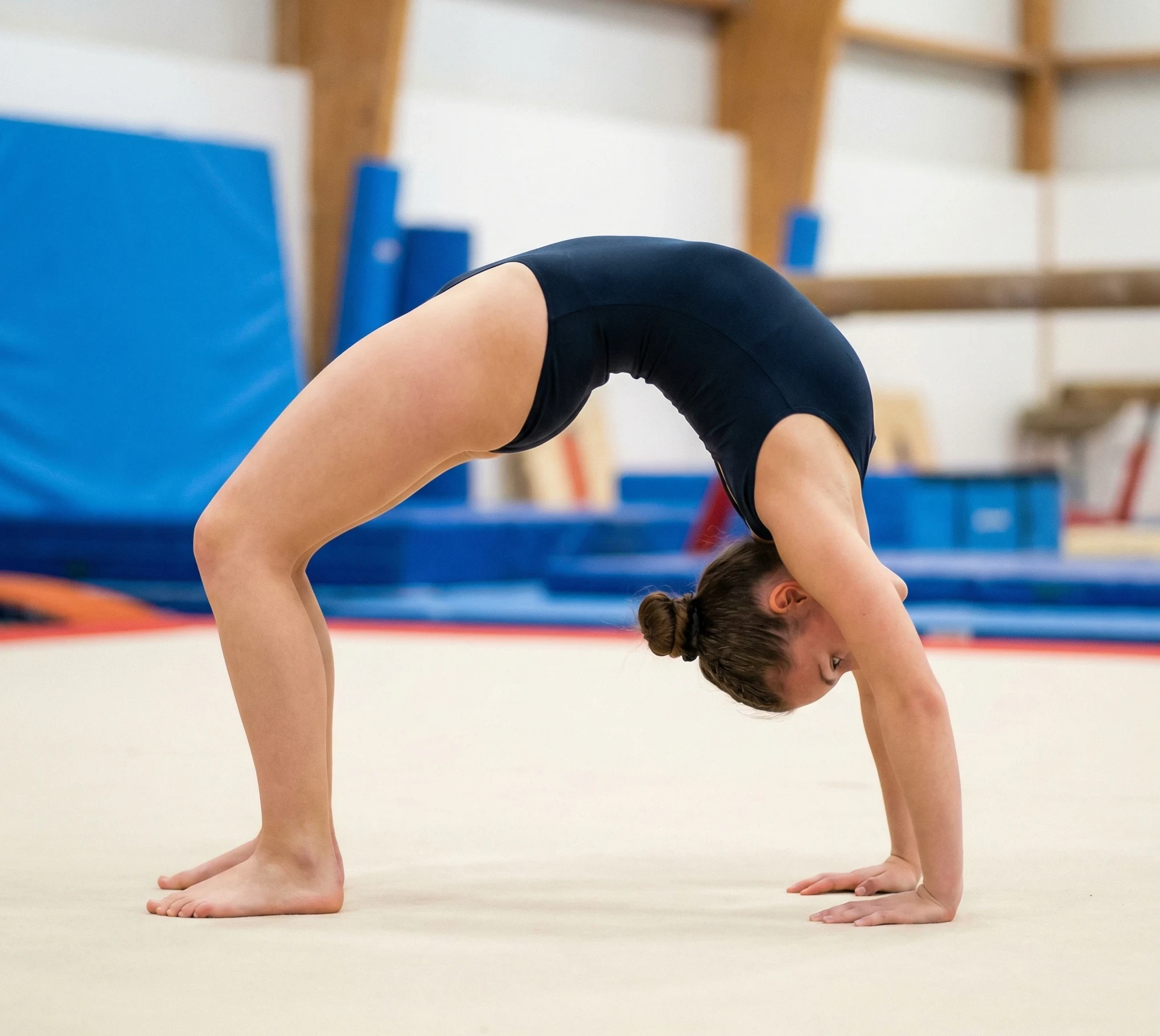
So what exactly is this bridge in acro dance? Imagine holding a backbend that shows a blend of grace and power. A move where you’re on all fours—hands and feet grounded, with your torso arched upward. This isn’t just about looking cool; it’s a balance of technique and flair.
Getting a safe and fluid bridge requires understanding your body’s flexibility and strength limits. If those areas aren’t solid, danger lurks. Injuries can happen .
Flexibility, primarily in the back, upper arms and shoulders, plays a central role. But remember, just being flexible isn’t enough. Your core and leg muscles need strength to support the movement smoothly. It all builds up to not only looking effortless but feeling empowered while you do it.
Preparing Your Body for a Safe Bridge
Getting ready to nail that acro dance bridge starts with prepping your body right. A good warm-up is your best friend—you’ll want to loosen up those muscles with stretches focusing on the back and shoulders. Think gentle yoga poses like cat-cow or shoulder rolls to get things moving. This step is crucial, setting the stage for a safe performance.
Don’t skip the stretches that boost lower back and hip flexibility. Imagine stretches like a seated forward bend, seal or lying spinal twist. These help your bridge work not just more flexible but super steady.
Then there’s strength—your secret weapon for nailing the balance. Core exercises are essential; planking or even simple sit-ups can do wonders. Let’s not forget legs too. Squats and lunges will provide that extra power you need for support during the movement.
Taking these safety measures seriously isn’t optional. It’s all about avoiding injuries that could send you straight into a dreaded recovery period. Listen to your body. If you feel even the slightest discomfort, adjust your position or take a break to prevent any strain.
Best Tutorials for Learning Acro Dance Bridges
When you’re ready to dive into learning acro dance bridges, finding a good tutorial is key. Online platforms like YouTube, DancePlug, and even dedicated dance apps offer a wealth of tutorials tailored specifically for this skill.
Different teaching styles cater to different learning preferences. Some folks thrive on quick video tutorials that you can pause and replay as often as you need. Others prefer more structured, in-depth courses that gradually build on complexity. Both can be helpful, so think about what works best for you and gives you the confidence to practice safely.
Hearing from the pros is worth its weight in gold. Expert recommendations often cut through the clutter to offer tried and tested advice. Check out reviews to see which instructors or courses stand out. This can help you pick the right blend of insights and detailed guides that can level up your skills.
It’s all about finding a tutorial that matches your current ability and age. Beginners need something straightforward and clear, avoiding moves that could lead to injury without the right prep. More advanced dancers can seek out tutorials that push boundaries but keep safety at heart.
But better than all the online courses is a real live coach. Attending an acro class in your area can go a long way to getting you hitting your goal faster and more safely.
Practicing and Perfecting Your Bridge Safely
You’ve got the basics down and a killer tutorial picked out. Now it’s time to get practicing. Starting with a step-by-step guide really helps. Break the movement into manageable bits—isolate the arching back motion first, then bring in your arms and legs for support. Slow and steady wins this race, for sure.
So in this best acro dance bridge tutorial we should all agree that the best way for a beginner to go up into a bridge safely is to lie on their back, bend the knees and have feet hip distance apart and parallel. Place hands next to your shoulders and the fingers should splayed and facing your feet. Use arms and feet to push up into your bridge and work and getting the shoulders stacked over your wrists. Your weight should be towards the arm pits.
It should look like a handstand if you look at the hands to the chest area. If you can’t stack your shoulders your flexibility in your shoulders and arms needs to be worked on as unless you have a beautifully stacked bridge in place you won’t be able to progress to other tricks like walkovers and bridge from standing.
Keep an eye out for common mistakes. Like any complex move, things can go off track quickly. It might be tempting to quickly bridge up, but that often leads to wobbly messes or worse. Focus on controlled motions and don’t rush the process.
Once you’re comfortable with the basics, you can begin pushing the envelope. Intermediate and advanced dancers often add their flair, creating a bridge that’s uniquely theirs. The key is maintaining safety while experimenting with style variations.
Take feedback like a champ—whether it’s self-evaluation or input from peers or instructors. Adjustments based on effective feedback distinguish a good dancer from a great one. Making the practice your own not only boosts technique but opens the gateway to genuine confidence.
And that my dance friends concludes my best acro dance tutorial for bridges.



Hello Michel,
This was such a helpful read, I really like how you broke the bridge down in a way that doesn’t feel scary or rushed. Acro moves can feel intimidating, especially when flexibility and strength are both involved, and I appreciate that you emphasized proper form instead of just jumping straight into the end result.
I also loved that you mentioned listening to your body and not forcing it. That part really stood out to me because it’s so easy to compare yourself to other dancers and push too hard too fast. Progress looks different for everyone, and this tutorial actually feels encouraging instead of pressure filled.
Have you noticed common mistakes dancers make when learning their bridge that you see over and over again? And do you think practicing bridges daily helps more, or is giving the body rest days just as important? I’d love to hear your thoughts on that.
Angela M 🙂
Hi Angela and thanks for stopping by.
The biggest mistake in the bridge in beginners that I have noticed is that the shoulders are not stacking over the wrists, but this is due to flexibility in the arms and shoulders and can be worked on. Beginners also tend to turn their feet out too much, thus not having the correct tracking from foot to knee.
With the bridge it does get better with practice, but listen to your body. Personally I would not do it every day.
Acro dance movements can look beautiful but also challenging, so I appreciate how you emphasized proper preparation and safety when learning the bridge. Building flexibility and strength together seems really important. Do you think beginners should practice the bridge daily, or is it better to allow rest days for recovery?
It depends how many are done, but generally a rest day in-between is a good idea.
Hi Michel, I like how you didn’t just jump straight into “do this move,” but actually explained why flexibility and strength both matter. That’s something a lot of tutorials skip. The part about stacking shoulders over wrists really interesting to me. I also appreciate the reminder about not rushing it. Great guide overall practical, realistic, and actually helpful.
From your experience do you recommend working on shoulder flexibility separately on rest days, or just integrating it into warm-ups before bridge practice?
Hi Shafna and thank you for stopping by. If you have very tight shoulders, I would recommend doing stretches daily, but if not it should be adequate to integrate the stretches into your warmups.