Let’s look at the history of ballet technique and how it has evolved over the past few hundred years.
The History of Ballet Technique
The rich history of classical ballet starts way back in the Italian Renaissance courts. From there, it slowly made its way to France, where King Louis XIV’s passion for dance helped it flourish at his court.
The history of ballet technique started in the 18th century. Dance then became a structured art form, thanks to pioneers like John Weaver. Weaver was a game-changer, laying out the first basic dance rules in 1723 based on an understanding of the human body. His groundwork paved the way for ballet to become the structured discipline we know today.
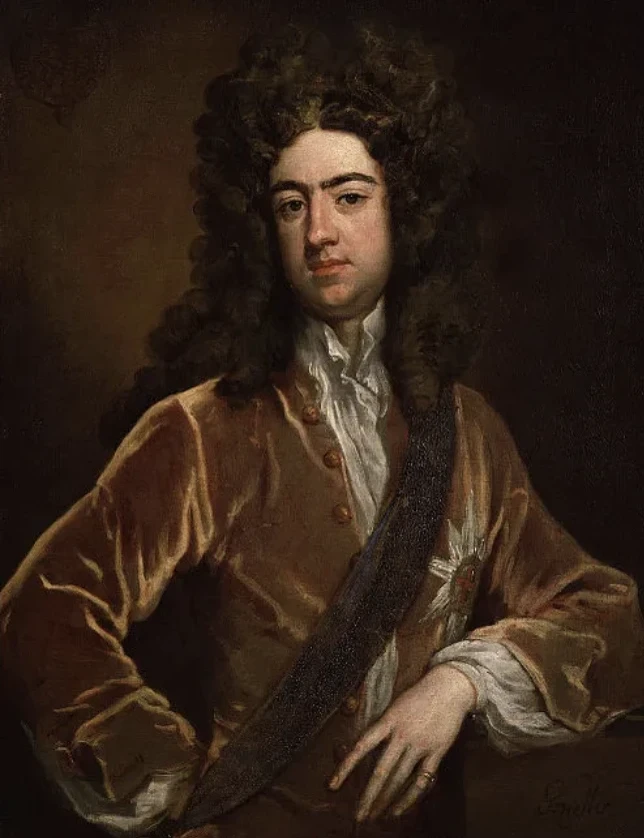 John Weaver
Now, fast forward, and we’re talking about some big names in ballet—Giovanni-Andrea Gallini, Jean-Georges Noverre, Carlo Blasis, August Bournonville, and Enrico Cecchetti. These guys took what Weaver started and refined it. They each introduced new rules and methods that schools across the globe adopted. They didn’t just focus on technique; they changed how dancers approached movement and expression altogether.
Ballet has evolved into a prestigious art form, spreading its reach beyond European borders. It’s impressive how this once royal pastime has become a cornerstone of performing arts worldwide. Learning the history gives dancers a richer context for their practice, a reminder of the tradition and innovation that have shaped what they now pursue.
Anatomy and Ballet: The Human Body as an Instrument
When you think about classical ballet, the first thing that might pop into your head is fluid, precise movement. But behind every graceful leap and pirouette is a complex understanding of the human body. Bones, ligaments, tendons, muscles—these are your tools, and the brain is the control center sending messages to help you push the boundaries of what’s possible.
Every dancer is limited by their anatomical structure and personal capacity to control their body. How you master tension and relaxation in your muscles as you follow the dance line is key. Your brain’s role here? It’s doing all the heavy lifting—reasoning, coordinating, and directing every muscle movement.
A deep understanding of how your body works allows you to harness natural coordination and balance. This awareness is vital. It’s what lets you gracefully transition between movements, making it look effortless. Knowing the relationship between body parts and how they interact can significantly impact your technique.
For dancers, examining anatomy isn’t just for fun; it’s about gaining insight into personal potential. Each part of your body works in harmony, and recognizing this connection enhances your ability to perform those intricate classical movements with precision and grace. The study of your body’s capabilities and limitations is not about restrictions—it’s about understanding your potential, so you grow as an artist.
Beyond Technique: Artistry, Expression, and the Development of Dancers
In ballet, technical skill is just one piece of the puzzle. What really sets a dancer apart is their ability to connect with an audience emotionally. This is where artistry and expression enter the stage. It’s about using intelligence and imagination to transform each movement into a statement of beauty and feeling.
August Bournonville, a pivotal ballet influencer, emphasized the dancer’s need to blend physical skills with emotional depth. He believed that, while technical excellence is non-negotiable, true artistry involves more than just executing steps correctly. It’s about communicating a story or emotion.
Developing expressiveness takes time and effort. Dancers refine their musicality and personal style to make performances come alive. It’s a journey of self-discovery, where your creativity and emotions guide your interpretation of the dance.
Understanding traditional practices and stage presence also plays a huge part. Dancers work to master these skills, combining them with their technique to captivate the audience completely. This fusion of artistry and discipline turns technical movements into mesmerizing performances.
Growing as a dancer means going beyond steps and routines. It’s about finding your voice within the dance, pushing your boundaries, and sharing something genuine with your audience. Remember, every dancer brings something unique to the table, and embracing this individuality can make your performances truly unforgettable.



This article opens up an interesting discussion about how ballet technique has evolved over the centuries from its origins in Renaissance courts to the codified methods we see in studios today. It’s fascinating to think about how early ballet was more about ornamental carriage and courtly display, and how it gradually transformed into the precise, athletic art form known around the world. The way technique shifted with influences from different masters and schools shows how dance is always growing and responding to cultural changes.
I also appreciate how the topic underscores the balance between tradition and innovation in ballet. While classical technique provides a foundation of strength, alignment, and expression, contemporary dancers and choreographers continuously reshape how movement is interpreted and taught. This kind of historical context makes it easier to understand why certain steps, positions, and training principles are still emphasized, and how they connect dancers today to generations before them.
Michel, what a lovely blog site and all about dance – ballet. I was one of those little girls who wanted to be a ballerina when I was young, but no way was I getting to do dance lessons – not in the cards for my sisters and me. So I settled with reading a lot of ballerina books over and over and dancing in our living room by myself with ballroom music on the turntable. I compliment you on all the great content you provide on your blog site. I think you have a great site, except for all those annoying ADs popping up and wanting a visitor to download something. – Have a blessed day – Shirley
This was such a beautifully structured overview of how ballet technique evolved. I love how you traced the shift from court entertainment to a codified discipline, and how each era added something distinct — from the French emphasis on precision to the Russian focus on strength and expressive power. It’s easy to forget how much today’s technique is built on centuries of refinement, and you captured that lineage so clearly. A really thoughtful read.