
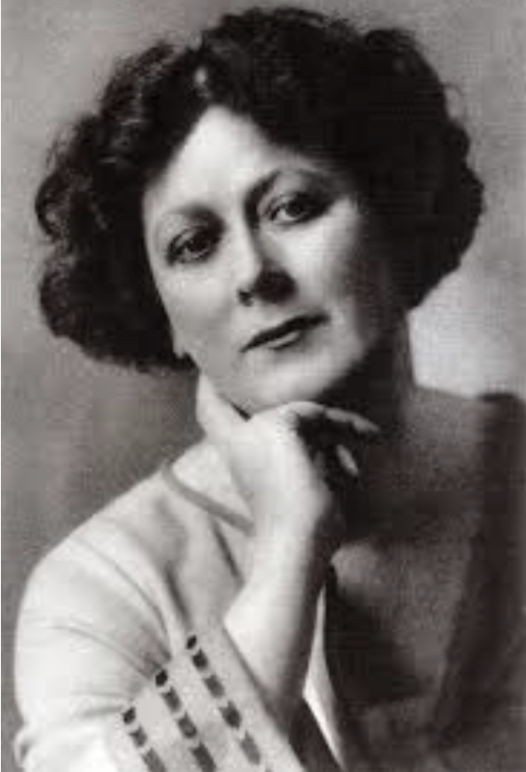
I have always been fascinated by the inventor of modern dancing, so this is my Isadora Duncan Biography.
Isadora Duncan Biography
Imagine growing up with the sound of crashing waves as your orchestra and the sparkling Pacific Coast as your stage.
Born as Angela Duncan on a spring day in 1877, Isadora Duncan’s early life in San Francisco was anything but ordinary. Raised in a world turned upside down by her father’s bank failure and her parents’ divorce, Duncan’s childhood taught her resilience and creativity, all sourced from necessity.
School desks and regimented ballet classes? Not her style. To Isadora, the rigid norms of formal education and traditional ballet seemed like putting a wild bird in a cage. So, at the tender age of ten, she ditched it all — as one does when following the beat of their drum. Instead, with the rhythmic pulse of the ocean and the grace of Greek goddesses in her mind, she poured her energy into creating something utterly new.
While many kids her age were still practicing pliés and struggling with math, Duncan was already crafting movements that echoed fluidity and freedom. She was less about learning steps and more about feeling the music, transforming it into something visible and alive. This foundation, built on intuition and nature-an unorthodox mix-became the hallmark of her dance style that the world would soon come to know and love.
For any aspiring dancer perplexed by the rigidity of traditional arts, Duncan’s story stands as a glamorous testament to the power of thinking outside the box. You don’t have to follow the predetermined paths; sometimes, your style is the purest reflection of who you are deep down inside.
European Breakthrough and Establishment of Dance Academy
In the world of dance, recognizing an opportunity is half the battle. Isadora Duncan knew this well. After facing struggles and having lukewarm reception in Chicago and New York, she decided it was time to seek new horizons. With little more than hope and talent in her suitcase, she made her way to Europe in 1898, ready to take on a new chapter.
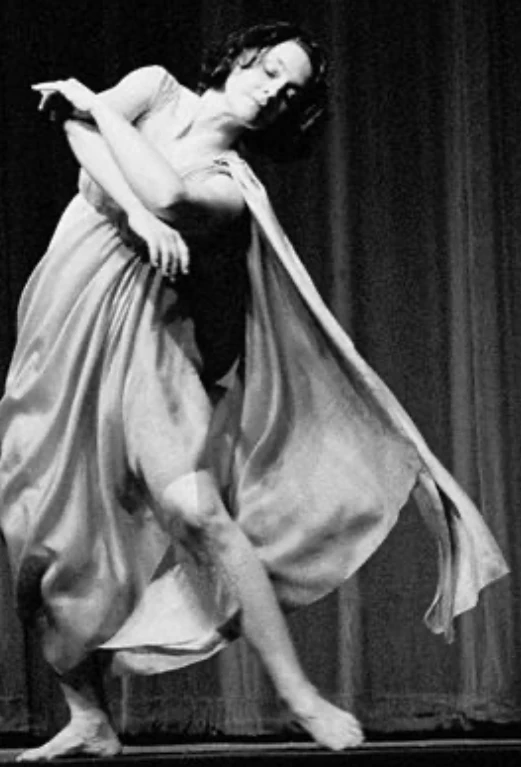
Once she hit the streets of London and Paris, Duncan’s barefoot dance performances were nothing short of revolutionary. Imagine, in an era where ballet was synonymous with dance, a woman transforming classical music into a visible, emotive experience, all without the rigidity of tutus and pointe shoes. Audiences across Europe were not just impressed; they were mesmerized. This was the breath of fresh air they didn’t even know they needed.
So, what’s the secret sauce here? It’s about daring to be different. Duncan believed in her unique style and presented it boldly. For any budding artist wondering how to make a mark, think about Duncan’s journey. It’s all about being unapologetically you and finding the spaces where your uniqueness can shine.
In 1904, Duncan realized yet another dream: founding her own dance academy in Germany. Here, she nurtured a new generation of dancers molded in her innovative ethos. These talented individuals, affectionately dubbed the ‘Isadorables’, carried her legacy forward, proving that her approach to dance was a movement, not just a fleeting moment in time. It shows how vital it is to inspire others, nurturing the craft you believe in.
Isadora’s European adventure wasn’t just a personal triumph. It was a massive leap for contemporary dance. Her journey reminds us that venturing beyond your comfort zone sometimes opens the door to unprecedented success and influence.
Tragedies, Romantic Entanglements, and Later Years
Isadora Duncan’s life was as dramatic off the stage as it was on. Her relationships were legendary, filled with passion and complexity. Her affairs with notable figures like stage designer Gordon Craig and industrialist Paris Singer were as much about explosive creative synergy as they were intense personal connections. Yet, life has its ways of reminding us that not all chapters are written in the fairy-tale fashion.
A heart-wrenching tragedy struck in 1913 when Duncan’s two young children, along with their nanny, drowned in the Seine River. This devastating loss would have halted many, but Duncan, with her resilient spirit, channeled her grief into her art, giving her performances a depth and raw emotion that only such profound sorrow could inspire. In moments like this, the arts, especially dance, provided a refuge – a reminder that creation can arise even from the ashes of profound personal loss.
Despite the heartbreak, Duncan sought new beginnings. In 1921, she traveled to Russia, a post-revolutionary land full of promise and change. It was here that she aimed to establish a state-funded dance school in Moscow, with hopes of molding the future of dance education. Her bold foray into Russian society symbolized her endless pursuit of artistic evolution and her constant drive to imbue dance with deeper meaning and purpose.
During her time in Russia, Duncan married the flamboyant and often troubled poet Sergey Yesenin. Their marriage was a whirlwind of creative passion, fueled by Yesenin’s poetic prowess and Duncan’s artistic bravado. Yet, trouble brewed. Yesenin struggled with alcohol, and their relationship became tumultuous, ending in separation. His death in 1925 was another poignant reminder of the impermanence that shadows our deepest connections.
The pioneering dancer Isadora Duncan died on September 14, 1927, in a freak accident in Nice, France. She was strangled when the long, flowing silk scarf she was wearing caught in the open rear wheel and hubcap of the moving sports car she was riding in, jerking her from the vehicle.
Known as the “mother of modern dance”, Duncan was riding in a convertible owned by a friend, Benoît Falchetto, when the tragedy happened. As the car pulled away, her trademark scarf—which she was known to wear as a signature fashion piece—tangled in the uncovered spokes of the wheel. The force of the entanglement dragged her onto the cobblestone road, killing her instantly.
The bizarre and tragic nature of her passing was so unique that the phrase “Isadora Duncan syndrome” is now used in medical literature to describe cases of accidental strangulation caused by clothing or scarves caught in moving wheels or machinery
Through it all, Duncan’s later years were marked by incredible resilience and unparalleled contributions to the arts. Her story is a testament to how life’s sorrows and joys can blend, each moment adding layers to one’s character. For those dancing through their own life’s ups and downs, Duncan’s life offers a candid glimpse into facing adversity head-on. Her legacy reminds us to treasure every moment, nurturing creativity in both light and dark times.
And that my friends, concludes my Isadora Duncan Biography.



Michel, this was such an engaging read! You really capture both the myth and the very human woman underneath it. I love how you frame her early rejection of rigid schooling and ballet as “caging a wild bird,” then carry that thread through to her European breakthrough and the Isadorables. It makes her artistic rebellion feel less like random defiance and more like a coherent life philosophy.
That last section on tragedy and resilience hit hard, especially the detail about her children and then the eerie, iconic way she died. It really underlines how much grief and chaos sat behind all that freedom on stage. Has spending time with her story changed how you think about training young dancers today, especially around balancing strong technical foundations with space for that kind of wild, individual expression?
Hi Aly,
I can’t say her story has changed the way I teach, but I do like to tell the children who do modern dance about the woman who invented the craft.
What a fascinating read! I’ve always been intrigued by how Isadora Duncan broke away from rigid traditions to create something so fluid and expressive. Her life shows how resilience and creativity can shape an entirely new art form, even through tragedy. It’s amazing how her influence still echoes in modern dance today; proof that daring to be different can leave a lasting legacy.
Thank you for your thoughtful summary of Isadora Duncan’s remarkable life and legacy. Her courage to challenge convention, transform personal adversity into artistic expression, and inspire generations of dancers demonstrates the power of authenticity and resilience. Her story is a timeless reminder that true innovation often begins when we dare to step beyond tradition and remain faithful to our unique vision.