
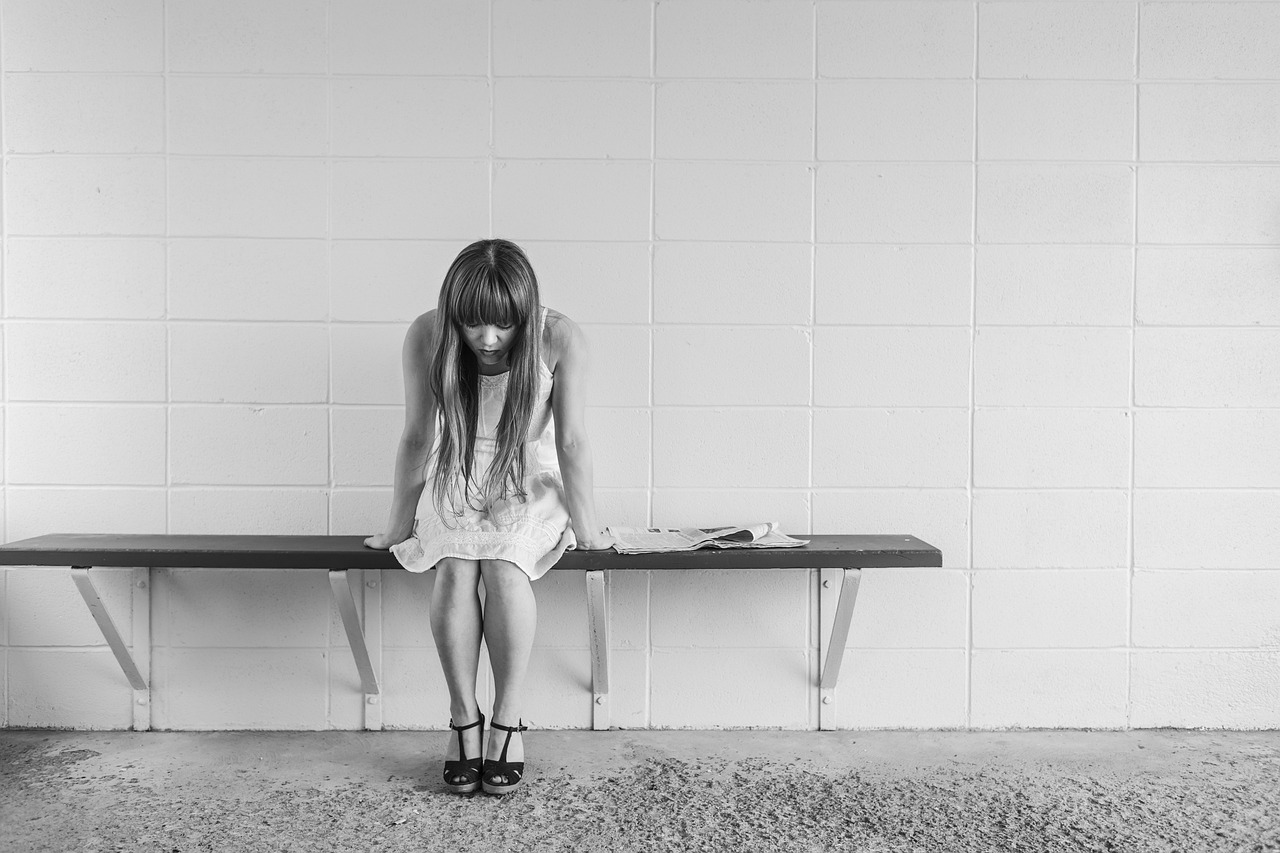
Let’s look at some stress solutions for dancers, and dance teachers. Here is how to identify, manage and prevent overwhelm.
Dance students and teachers often carry stress from dance and everyday life at the same time, class and rehearsals layered over school, work, finances, and relationships. The hard part is that overwhelm can feel like a single problem, even when it’s really a mix of performance anxiety in dancers, schedule pressure, injury fears, and high expectations. When stress stays unnamed, it tends to show up as tension in the body, scattered focus, and a quiet sense of falling behind, which makes mental health awareness easy to postpone. Real relief starts with identifying what the stress actually is.
Understanding Stress Source Mapping
Stress is your body’s biological and physical response, but the trigger behind it is often layered. Stress source mapping means tracking when overwhelm spikes, what was happening, and what you feared or expected in that moment. Then you sanity-check your notes against expert interviews and dancer stories to see which stressors are most common and most costly for you.
This matters because stress management works best when it matches the real cause, not the loudest symptom. Prioritizing the right source helps you focus energy, reduce mental clutter, and avoid “fixing” something that is not the problem.
For example, you log three rough weeks and notice your tension peaks after extra rehearsals, not after technique class. That fits a bigger pattern where schedule overload can erode performance, even when motivation is high.
With your top triggers named, you can choose fast tools to downshift and recover sooner, and those interested can browse alumni podcast episodes.
Stress Solutions for Dancers
Try 6 Calming Resets You Can Use This Week
When your stress-source map shows the same pressure points repeating (a packed rehearsal week, injury worries, or constant correcting), use these quick resets to lower intensity fast, then return with more steadiness and focus.
- Do a 3-minute “downshift walk” between dance tasks: After class, rehearsal, or teaching, walk slowly for 2–3 minutes and let your arms swing naturally. Keep your jaw unclenched, soften your gaze, and aim for quiet, even steps, this is movement for relaxation, not conditioning. It works because it signals a transition to your nervous system, so you don’t carry adrenaline from one demand straight into the next.
- Use dancer-friendly breathing: 4-count inhale, 6-count exhale (x 6 rounds): Inhale through your nose for 4, then exhale for 6 like you’re fogging a mirror with your mouth gently closed (or slightly parted). Longer exhales tend to bring the body out of “go mode,” which can help when your trigger list includes perfectionism, auditions, or fear of messing up. Do this in first position, sitting on the floor, or leaning at the barre, wherever you’ll actually remember it.
- Release the “performance brace” with a 60-second body scan: Set a timer for one minute and check three spots dancers often grip: tongue/jaw, shoulders/ribs, and glutes/feet. Pick one and do a single clear action, drop the tongue from the palate, widen the collarbones, or spread toes and soften turnout effort. This is especially useful if your mapping showed stress spikes during corrections or when you feel watched.
- Protect sleep with a simple shutdown routine: Choose one 15–30 minute wind-down that you can repeat most nights, dim lights, warm shower, gentle stretch, or reading. A list of relaxing techniques at home can give you options when your brain won’t “turn off” after rehearsal. Keep it boring on purpose: consistency teaches your body that bedtime means recovery.
- Build a “steady plate” for balanced nutrition (especially on long studio days): Aim for each meal or substantial snack to include carbs for energy, protein for repair, and a colorful fruit/veg for micronutrients (example: yogurt + granola + berries; rice + eggs/tofu + spinach). If stress mapping showed late-night hunger or low energy, set a “no more than 4 hours without food” rule and pack one reliable snack. Stable fueling reduces the stress-amplifying cycle of dips, cravings, and irritability.
- Set one boundary that matches your top trigger: Pick the biggest driver on your map, schedule overload, people-pleasing, or nonstop feedback, and create a small rule you can keep for seven days. Examples: no extra rehearsals on one chosen night, no technique videos after 9 p.m., or a 10-minute buffer before/after teaching to reset your voice and body. Work-life balance in dance isn’t about doing less forever; it’s about creating recovery pockets so your training stays sustainable.
Habits That Keep Dance Stress From Building Up
These habits turn stress care into something you actually do, not just something you plan. When students and teachers make them routine, overwhelm becomes easier to spot early and easier to steer back down.
Daily Stress Score and One Next Step
- What it is: Rate stress 1 to 10, then write one doable action.
- How often: Daily, after training or teaching.
- Why it helps: You catch overload patterns before they become shutdown or injury risk.
Calendar the “Quiet 10”
- What it is: Schedule 10 minutes of low input time with no screens.
- How often: Daily or on heavy rehearsal days.
- Why it helps: It creates recovery space inside realistic dance schedules.
Two-Sentence Correction Filter
- What it is: After feedback, write “Keep” and “Try next time” only.
- How often: After corrections, coaching, or video review.
- Why it helps: It reduces spiraling and focuses practice on one clear target.
Weekly Boundary Reset
- What it is: Choose one limit and communicate it clearly to one person.
- How often: Weekly.
- Why it helps: Healthy boundaries prevent stress from compounding across commitments.
Three-Minute Mindfulness Anchor
- What it is: Do online mindfulness interventions by scanning breath, feet, and sound.
- How often: 3 times weekly, before bed or before class.
- Why it helps: It can lower stress and improve attention under pressure.
Common Stress Questions Dancers Ask
Q: What are the most common sources of stress in daily life and how can I identify my unique triggers?
A: Common stressors for dancers include tight schedules, comparison, unclear expectations, social pressure, and injury worries. Track three things for one week: when the spike happened, what you were doing, and what you told yourself about it. Patterns show up fast, especially around transitions like commuting, warm-up, and post-feedback reflection.
Q: Which simple daily habits and stress solutions for dancers help effectively for someone with a busy lifestyle?
A: Pick one tiny habit you can repeat on your hardest day: a 60-second breath reset, a water break, or writing one next step after class. Consistency beats intensity, so keep it short and scheduled. If you miss a day, restart immediately without “making up” extra.
Q: How can improving sleep and diet contribute to better stress solutions for dancers?
A: Sleep supports emotional regulation and coordination, so stress feels less explosive and corrections land better. Aim for a steady wind-down time, caffeine cutoff, and a simple bedtime cue like stretching or reading. For food, prioritize regular meals with protein and complex carbs to reduce energy crashes that mimic anxiety.
Q: What are practical techniques to maintain a positive mindset when feeling overwhelmed?
A: Use a neutral script, not forced positivity: “This is hard, and I can take one useful step.” Limit mental replay by choosing one correction to focus on for the next run, then stop evaluating. It also helps to name the feeling out loud and return attention to a physical task like feet placement.
Q: How can I incorporate stress-relief strategies if I’m feeling stuck or overwhelmed despite trying common methods?
A: First, rule out risky coping patterns like skipping meals, overtraining to numb feelings, or relying on alcohol or stimulants to come down. Then switch from “more tools” to “better dosage” by shortening practices to 2 to 3 minutes and attaching them to existing routines like changing shoes or showering. If you are still stuck, reduce load for 48 hours and prioritize recovery, because nervous systems often need less input, not more.
Q: What options are available if I want targeted support to manage persistent stress and improve my overall well-being?
A: If stress is lasting weeks, affecting sleep, appetite, or safety, targeted support can be a strong next step. Many people benefit from professional counseling that teaches personalized coping skills and helps you spot unhelpful thought loops. You can also talk with a trusted teacher, school counselor, or healthcare professional to coordinate training adjustments, and if you’re exploring additional resources, see a potential solution.
Quick Stress Relief Takeaways
- Notice early stress signals in your body, mood, and focus before overwhelm builds.
- Identify common dance stress triggers in training, rehearsal demands, and performance pressure.
- Use simple in-the-moment calming techniques to reset between classes and rehearsals.
- Adjust routines and expectations to reduce ongoing stress and protect your energy.
- Repeat prevention habits consistently to support long-term resilience in dance.
Build Consistent Stress Management Into Your Dance Training
Dancing asks for intensity, precision, and constant feedback, so it’s easy for stress to become the background noise that drains focus and joy. The path forward is empowerment for dancers through consistent stress management: treat it like training, return to simple awareness, and repeat practical stress techniques without turning them into another performance test. Over time, the body settles faster, confidence stays steadier, and dance educator encouragement becomes easier to offer because the process is clear and repeatable. Stress skills improve with reps, not perfection. Choose one technique and practice it for 7 days, even on “good” days. That small routine protects health, supports resilient artistry, and keeps performance sustainable.
If you have any comments to add on your own stress solutions for dancers, please feel free to do so.